


The trigger
A comment, unmet expectation, or familiar situation starts the tension.
Dr. Sarai Koo, Ph.D. · Founder and CEO, Winning Pathway®

Tell Dr. Koo what’s going on. Her team will point you to the right next step.
Start a conversationThe ideas behind the work
 The frameworkProject SPICES™How the parts of a life connect.Explore →
 The methodRe+Calibration™See the pattern, fix it, move together.Explore →
A modelICARE ModelExplore the ICARE Model.Explore →
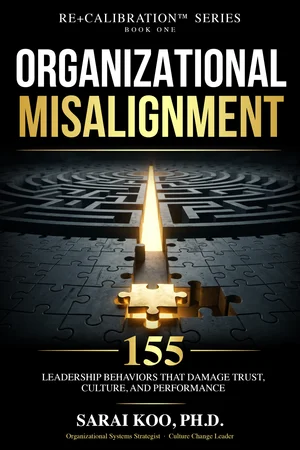 New bookOrganizational Misalignment155 habits that quietly hurt trust and results.Join the book list →
Watch, read and learn
Relationships · Dr. Sarai Koo
When love is there but the same argument keeps coming back, the problem is often the pattern, not the person. Dr. Koo helps couples see that pattern and change it, kindly and clearly.
 Programs delivered through
Relationship & Love Tips™
LOOK BENEATH THE ARGUMENT
Couples can disagree about money, time, parenting, or household responsibilities and still find themselves caught in the same emotional cycle. Understanding that cycle creates room for a different response.

A comment, unmet expectation, or familiar situation starts the tension.
Each person assigns meaning to what happened, sometimes without realizing it.
Defending, withdrawing, pursuing, or criticizing can intensify the exchange.
The argument stops, but the underlying dynamic remains ready to repeat.
The goal is not to decide who is the problem. It is to recognize what happens between you—and what can change.
EXPLORE YOUR STARTING POINT ↗A MORE INTENTIONAL RESPONSE
Breaking a recurring conflict pattern begins with noticing what happens, making sense of the dynamic, and practicing a different way to engage.
Recognize the triggers, reactions, and recurring moments that keep bringing you back to the same argument.
Explore what you are feeling, what you are assuming, and how your response affects the interaction.
Practice clearer communication, healthier boundaries, and more constructive ways of navigating disagreement.
Different relationships need different kinds of support. Explore the resources below to find a starting point that fits your situation.
VIEW PROGRAMS & RESOURCES ↗PROGRAMS & RESOURCES
From a first step toward calmer conversations to a deeper exploration of recurring conflict, these resources help you recognize patterns and practice a different response.

FIRST STEP
Before you solve the problem, stop feeding it. Learn what turns a small conversation into a bigger argument and begin responding with greater awareness.
EXPLORE THE RESOURCE
FOR THE FIGHT THAT KEEPS COMING BACK
See the recurring loop you both get caught in, understand what keeps it going, and learn a different way to respond before it starts again.
EXPLORE BREAK THE FIGHT CYCLE™
ONGOING LEARNING
Short, practical lessons on communication, trust, boundaries, and connection that help you keep learning beyond a single conversation.
VISIT RELATIONSHIP & LOVE TIPS™Not sure which resource fits your situation? You can begin with a private conversation about what you are experiencing and what kind of support may be appropriate.
TALK WITH DR. KOO ↗QUESTIONS COUPLES ASK
“Sarai made me feel safe… [she] was able to gently pinpoint character traits.”
Usually because the fight is about more than the topic. Each of you hears a deeper message, and old habits take over. Seeing that pattern is the first step to changing it.
It helps, but it isn't required. When one person changes how they respond, the pattern often starts to shift too.
No. These are education and coaching resources for everyday relationship patterns. They are not a replacement for counseling or therapy.
If talks keep blowing up, start with Stop Making It Worse. If it's the same fight again and again, start with Break the Fight Cycle™. If it feels bigger, talk privately with Dr. Koo.