The same conversation keeps happening.
What you noticeEveryone agrees. Then the same mix-ups come back.
What may be connectedUnspoken assumptions and unclear ownership of what was decided.
Human Systems: how Dr. Koo sees problems
People don’t work, lead or love in a vacuum. Roles, habits, history and pressure all shape what happens. When you only fix what you can see, the problem returns. Dr. Koo helps you see the whole picture, so the fix lasts.
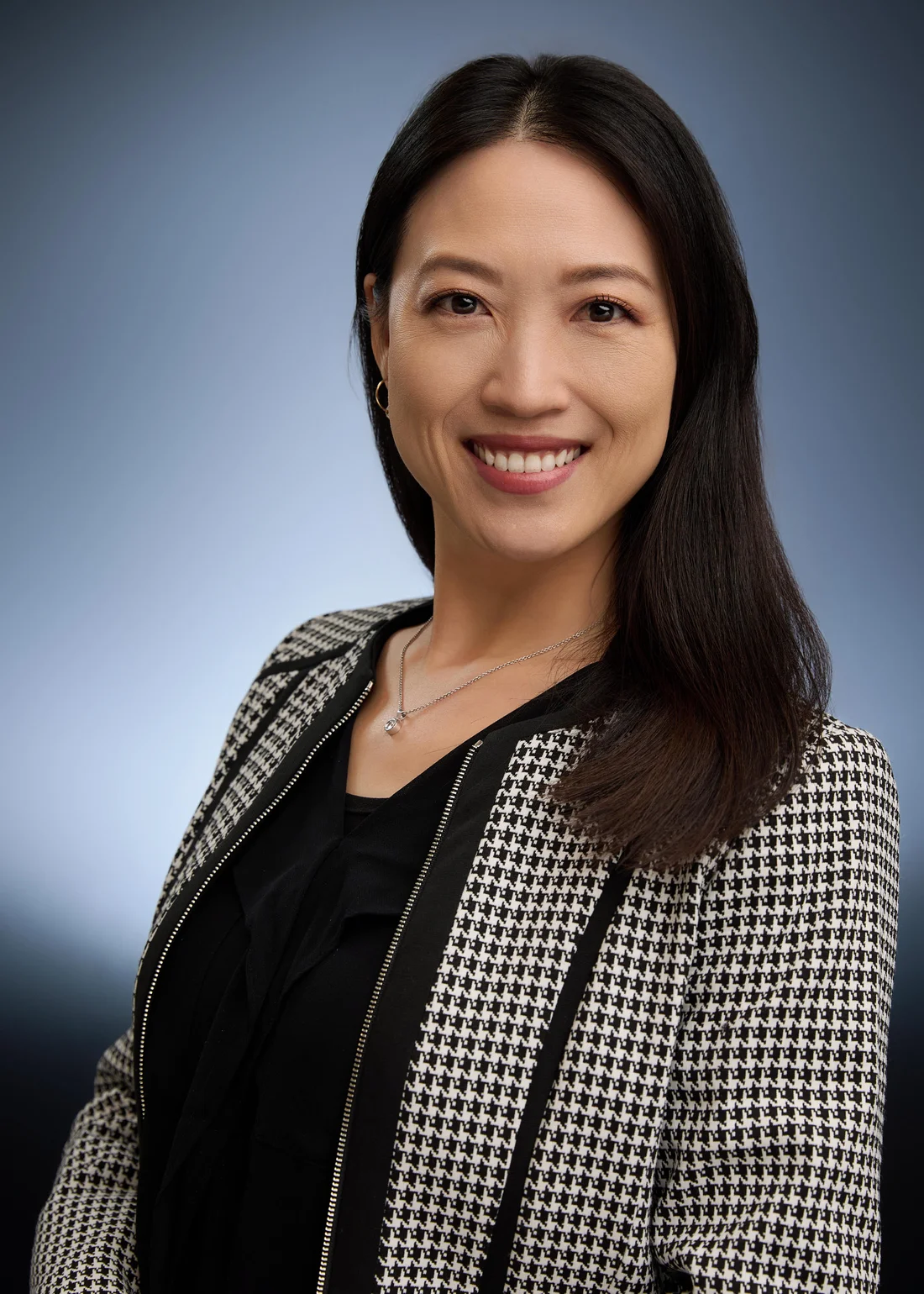
“A wider view changes the questions we ask.”
Dr. Sarai KooThe idea in plain words
Most problems look like one thing on the surface. Underneath, several things are usually connected. That hidden part is where real change starts.
The pattern that keeps coming back is the clue, not just another problem to push through.
Patterns she sees often
These show up in agencies, companies, schools and families. Do any sound familiar?
How it fits together
Human Systems is the lens. Project SPICES™ helps people understand what is connected. Re+Calibration™ turns that into steps that last.
Look at the person, the relationships and the setting together, not one at a time.
A model she developed in 2006 and has taught ever since, to help people see how the parts of life connect.
Visit Project SPICES™
A practical path from what’s out of line to what to do next, so the change holds.
See how it worksGrounded in research: a Ph.D. in Education, studies in human development, and peer-reviewed work on how people grow.
See her researchQuestions people ask
It means looking at people together with their relationships and surroundings. Instead of asking “Who is the problem?” it asks “What is connected to this problem?” That usually leads to fixes that last.
Because the fix often treats the symptom. If roles, habits or culture stay the same, the problem tends to return. Finding what is connected underneath helps stop the cycle.
No. The same patterns show up in teams, families and personal growth. Dr. Koo uses this lens with leaders, organizations, couples and individuals.
Tell Dr. Koo’s team what keeps coming back. They will follow up to talk about the best next step, such as a talk, a workshop or advisory.